
"Brazilian coffee processing"
4000 article(s) found
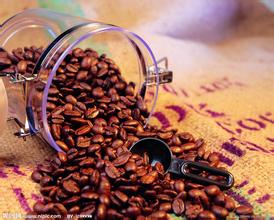
Brazilian coffee roasting standard curve process flavor description grinding scale variety origin
Brazilian coffee roasting standard curve flavor description Grinding scale Bean Grinder is more important than Coffee Machine. At present, most people choose sawtooth grinder because it can grind uniform coffee powder quickly and steadily. The operation method of the sawtooth bean grinder is very simple, generally speaking, it will have two setting functions, one is to set the grinding degree, the other is to set the grinding time. Grinding

Description of Information Flavor of Brazilian Coffee Bean planting Historical Variety Manor
Communication of professional baristas Please pay attention to the coffee workshop (Wechat official account cafe_style) due to inherent conditions, the Brazilian government has invested a lot of resources to improve varieties and disease resistance since the 1930s. Among them, the results of bean research still affect the planting habits of Latin America as a whole. For example, they cultivated a natural variant of Bourbon, Yellow, from 1/1000000 opportunities in the 1930s.

Introduction to Brazilian Hilado Coffee Bean Flavor description treatment method, quality characteristics, taste manor
Introduction to the method of describing the flavor of Brazilian boutique coffee beans in recent years, Brazil has cleverly demonstrated the characteristics of Brazilian coffee and pointed out a way for the development of Brazilian high-quality coffee. Today's soft bean aesthetics has replaced the traditional impression of Brazilian mild coffee. A good Brazilian coffee should have a slightly sweet nut, low acidity and good consistency.

What does Brazilian coffee mean? What are the flavor characteristics of Brazilian coffee? Is the Brazilian coffee good?
Professional coffee knowledge exchange more coffee bean information please follow the coffee workshop (Wechat official account cafe_style) Brazilian coffee refers to coffee produced in Brazil. There is a wide variety of Brazilian coffee, the vast majority of which are unwashed and sun-dried, classified according to the name of the state of origin and the port of transport. Brazil has 27 states and 17 states produce coffee, but 4 of them produce coffee.
How much Brazilian coffee beans yield Brazilian fine coffee beans flavor characteristics brewing parameters Suggestions
Professional coffee knowledge exchange More coffee bean information Please pay attention to coffee workshop (Weixin Official Accounts cafe_style) Coffee varieties, geography and climate environment, soil texture, planting technology, harvesting, processing methods, just like the results of soil cultivation, will directly affect the quality of coffee beans. In addition to Colombia, Brazil is another big coffee country in South America. Brazil is the world

Introduction to the characteristics of Brazilian Coffee harvesting and processing ability Brand Flavor description
Brazilian Coffee harvesting and processing ability Brand Flavor description Taste introduction although coffee is diverse, Brazilian coffee is suitable for the taste of the public. For example, coffee produced in the northern coastal areas has a typical iodine taste, reminiscent of the sea after drinking. This coffee is exported to North America, the Middle East and Eastern Europe. Another kind of coffee that is interesting and worth looking for is washed.
Common processing methods of Brazilian coffee beans Flavor characteristics of half-sun deep-baked bourbon coffee beans
Following Cafe Review (official account vdailycom of Wechat) found that the four most common treatments for Brazilian coffee opened in Beautiful Cafe are: natural sun treatment, desizing treatment, semi-washing and water washing, among which natural sun treatment is the most popular. Due to the two main producing areas of Brazil, Serrado Minet
How to calculate the proportion of coffee hand-made gouache in Brazil Ubu processing factory _ Brazilian hand-made coffee is so bitter
Professional coffee knowledge exchange more coffee bean information Please pay attention to the coffee workshop (Wechat official account cafe_style) Brazilian coffee does not seem to have a very good reputation, it is often heard that its weight rather than quality. In fact, Brazilian coffee has many little-known features. Bruna Costa, the founder of It Caf, is a coffee fan and coffee producer. He grew up
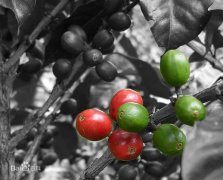
Understand Brazilian Coffee and enter Brazilian boutique Coffee products
It is unique that growers from each producing area will study and develop local processing techniques according to the characteristics of the local environment, and it is Dangdu's unique raw bean processing technology that makes coffee tastes different from one place to another. The treatment of raw beans is like the brewing process of beer, different methods will lead to different tastes of coffee. Most of us are right about ourselves.
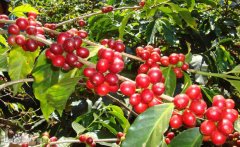
Brazilian coffee green beans processing technology American coffee beans honey processing commercial Brazilian beans green beans
The four most common treatments for Brazilian coffee are sun, desizing, half-washing and washing, with sun being the most popular. Since the harvest seasons of Cerrado Mineiro and Mogiana Paulista, Brazil's two main producing areas, are both dry seasons of the year, natural solarization is common in this area.
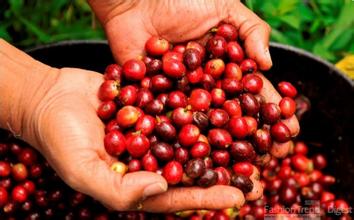
Flavor Description of Brazilian South Minas Coffee Bean Grind Scale Processing Taste
Coffee production has gradually become a science since the coffee tree was introduced from Guyane française in 1720. Before 1990, the Brazilian government strictly monitored the coffee industry, with both severe intervention and price protection measures, and the state has always implemented minimum price protection measures for farmers.

Taste of Brazilian Coffee Flavor Manor area introduces Brazilian boutique coffee beans
As the largest coffee producer in the country, Brazil supplies commercial beans and fine beans for the global coffee market. Instant coffee is also a critical component of coffee production in Brazil. Western coffee grows mostly at the height of 2000-3000 feet feet, about 500-100m. There are also heights up to 4000 feet, about 1200 m. However, absolutely pay other East Africa, Central and South America need manufacturing countries, easily 5000 feet

Introduction to the flavor and taste of Brazilian coffee beans the characteristics of Brazilian coffee beans Brazilian coffee estate
As the largest coffee producer in the country, Brazil supplies commercial beans and fine beans for the global coffee market. Instant coffee is also a critical component of coffee production in Brazil. Western coffee grows mostly at the height of 2000-3000 feet feet, about 500-100m. There are also heights up to 4000 feet, about 1200 m. However, absolutely pay other East Africa, Central and South America need manufacturing countries, easily 5000 feet

How about Brazilian coffee beans? Semi-washed processing process to peel off its heart layer by layer
Professional coffee knowledge exchange More coffee bean information Please pay attention to coffee workshop (Weixin Official Accounts cafe_style) Front Street-Brazilian coffee characteristics, semi-washing treatment method Introduction Coffee from different producing areas has different styles, and Brazilian coffee happens to be very suitable for public taste. The coffee flavor of individual areas is highly local and commendable. Because of the elevation of the entire Brazilian habitat

How about Brazilian Minas balanced coffee beans? how about Brazilian Minas coffee acid? why is it not bitter?
For more information on coffee beans, please follow the coffee workshop (Wechat official account cafe_style) Andradas sul de Minas Coffee comes from Fazenda Santa Clara, a 130acre farm located in Andradas, Minas Gerais, Brazil. Fazenda Santa Clara was founded by the Basso family, who started in the 1930s
Brazilian coffee beans processing Brazilian coffee green beans wholesale coffee beans American coffee beans
The four most common treatments for Brazilian coffee are sun, desizing, half-washing and washing, with sun being the most popular. Since the harvest seasons of Cerrado Mineiro and Mogiana Paulista, Brazil's two main producing areas, are both dry seasons of the year, natural solarization is common in this area.
How do you drink Brazilian coffee? The Brazilian way of handling coffee. Why doesn't Brazil use washing treatment?
Professional coffee knowledge exchange more coffee bean information Please pay attention to Coffee Workshop (Wechat official account cafe_style) as the world's largest coffee producer, Brazil has a world-leading coffee picking and processing technology, which of course has something to do with the level of mechanization and intensive production of the Brazilian coffee industry. Different from the picking methods of other countries, Brazilian coffee is picked first.

Introduction to the characteristics of Brazilian Coffee processing and Flavor Flavor Coffee Bean production area
Although coffee is diverse, Brazilian coffee is suitable for the taste of the public. For example, coffee produced in the northern coastal areas has a typical iodine taste, reminiscent of the sea after drinking. This coffee is exported to North America, the Middle East and Eastern Europe. Another kind of coffee that is interesting and worth looking for is washed Bahia. This kind of coffee is not easy to find, because after the United States

Brazilian Coffee Plantation Grand Prix
As the difficulty of sourcing high-quality green coffee beans increased over the years, illy coffee signed a contract with top brazilian coffee farmers in 1990 to create an annual award to encourage farmers to produce high-quality coffee. As a result, the traditional relationship between coffee farmers and processing companies was broken, and illy coffee and Brazilian coffee farmers established a stable partnership with